
Carnelian: The Ancient World’s Favorite Gemstone
There’s something almost suspiciously alive about carnelian.
Maybe it’s the colour. That deep ember-orange somewhere between sunset, cinnamon, and molten honey. Or maybe it’s because humans have been completely obsessed with this stone for literally thousands of years. Not casually interested. Obsessed.
Pharaohs buried it with the dead. Roman officials stamped important documents with it. Ancient traders carried it across continents. Warriors wore it into battle. Crystal people today still swear it gives confidence, creativity, and courage.
Honestly? Carnelian has had one of the best PR runs in gemstone history.
So… What Actually Is Carnelian?
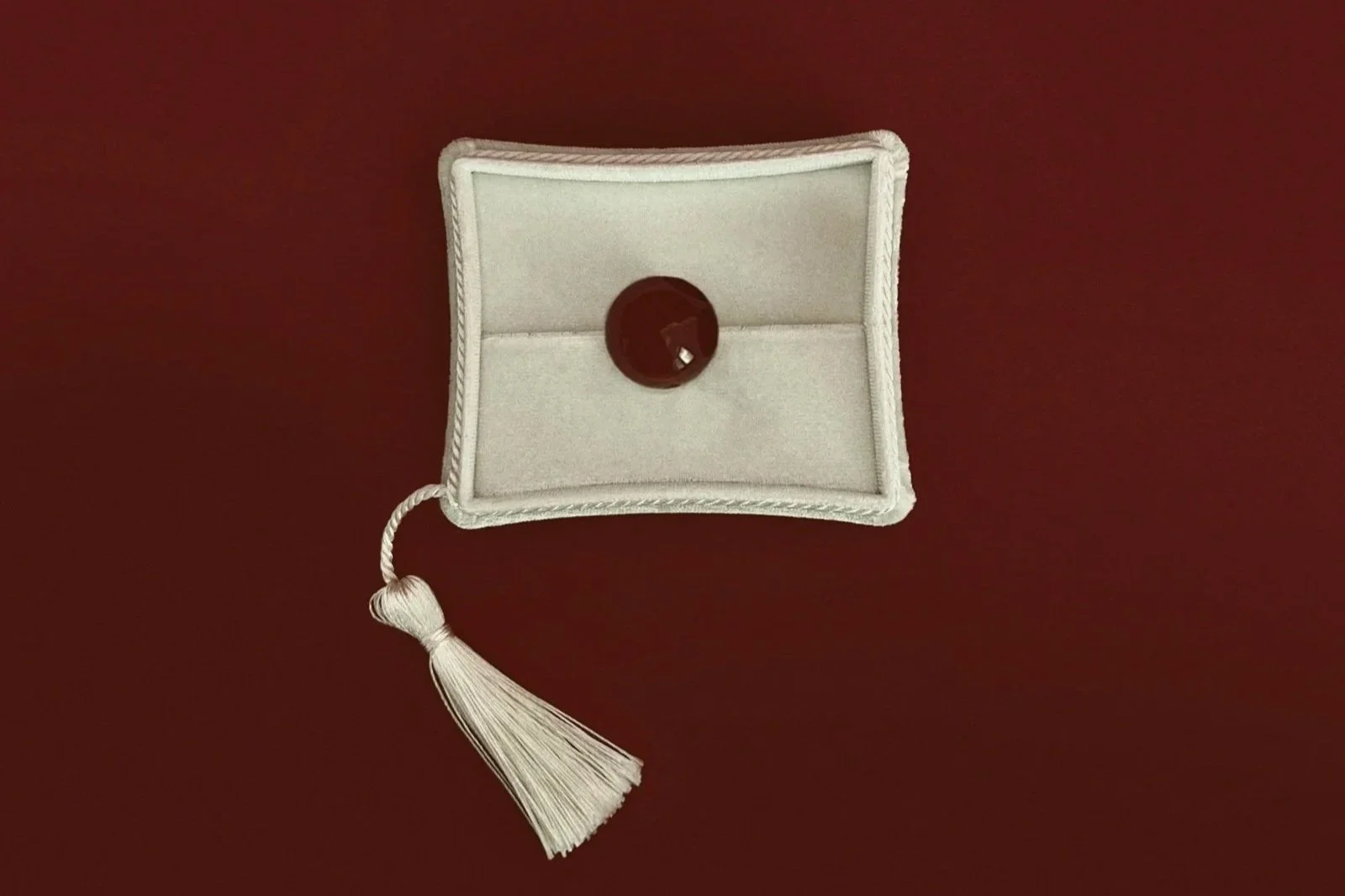
Carnelian is a reddish-orange variety of chalcedony, part of the quartz family. Its fiery colour comes from iron oxide, which is basically nature adding a pinch of rust and somehow making it beautiful. The stone can range from pale peachy orange to deep rusty red, and ancient people loved the darker shades because they looked almost like glowing coals. Even the name sounds dramatic. It likely comes from the Latin word for dogwood cherry because of its rich red colour. Tiny volcanic fruit energy.
Ancient Egypt Basically Put Carnelian Everywhere
If ancient Egypt had a favourite gemstone, carnelian would absolutely be in the top tier.
The Egyptians associated it with:
the sun
blood and life force
protection
rebirth
divine feminine energy
In other words, very casual tiny stone stuff.
They carved it into amulets, jewellery, scarabs, ceremonial objects, and burial pieces. One of the most famous symbols, the Knot of Isis, was often made from carnelian because the stone was believed to carry protective power.
And here’s the wild part: archaeologists still aren’t fully sure where Egypt got so much carnelian. They used enormous amounts of it, but only a limited number of mines have been found. Which means somewhere under the desert there may still be ancient gemstone mines quietly waiting like buried treasure in an adventure movie.
The Romans Loved Carnelian for a Surprisingly Practical Reason
This might be my favourite fact.
Romans often used carved carnelian rings as seals for important documents because hot wax doesn’t stick easily to polished carnelian.
Imagine discovering your jewellery is also excellent office equipment.
So senators, officials, and wealthy Romans would press their carved rings into wax seals, leaving sharp impressions without damaging the stone. Ancient luxury stationery energy. Roman soldiers also carried carnelian into battle because they believed it boosted courage and physical strength. Basically the ancient equivalent of walking into a situation saying: “I brought my emotional support gemstone.”
The Indus Valley Civilization Was Secretly Full of Gemstone Geniuses
The people of the Indus Valley were doing things with carnelian that honestly feel almost futuristic for the Bronze Age. They:
heat-treated stones to deepen the colour
polished them to a glassy shine
chemically etched white designs into them
traded them across ancient international trade routes
Some carnelian beads travelled thousands of kilometres between India, Mesopotamia, and Egypt over 4,000 years ago.
Humanity really looked at a shiny orange stone and said:
“Yes. We shall build trade networks.”
Strange & Wonderful Facts About Carnelian
Ancient people basically invented gemstone enhancement
Modern jewelers heat-treat gemstones today… but ancient artisans were already doing it thousands of years ago. Egyptians and Harappans discovered that heating carnelian could intensify its fiery red colour.
Carnelian was believed to protect the dead
Egyptians placed carnelian inside tombs because they believed it would guide and protect souls in the afterlife. Which means this stone spent centuries quietly hanging out with mummies. A very niche résumé.
It symbolised both life and danger.
The stone’s red colour represented blood, vitality, and solar energy, but also desert heat, chaos, and destruction. So carnelian had this fascinating dual personality: warmth and warning. Life force and wildfire. Like carrying a miniature sunset with teeth.
Why People Still Love Carnelian
Even now, carnelian still has this magnetic reputation for confidence, creativity, courage, passion, and energy. Scientifically, there’s no proof crystals have supernatural powers. But humans are deeply symbolic creatures, and carnelian has carried thousands of years of stories, rituals, myths, and meaning. Maybe that’s part of its magic. Not magic in the wand-and-spell sense. More like: this stone has survived empires, trade routes, deserts, royal tombs, and fashion trends… and somehow still looks like it’s glowing from within.